

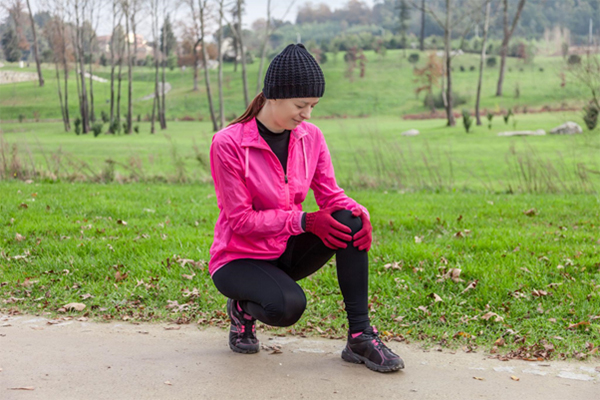
Patients often notice their knee arthritis flares up as temperatures drop. Cold air can cause the tissues around a joint to tighten, reducing flexibility and making stiffness harder to ignore. For people with osteoarthritis, these seasonal changes can turn everyday movements into a challenge. Here’s how weather shifts impact your knees, and what you can do to stay comfortable.
How Reduced Circulation Impacts Knee Arthritis in Winter
Cold weather naturally slows blood flow to the extremities, including the knees. When circulation decreases, joint tissue receives less oxygen and nutrient-rich blood, which may increase sensitivity. This combination can make movement feel more difficult, especially first thing in the morning. Keeping your lower body warm is one of the simplest ways to counter this effect.
Best Ways to Stay Active and Reduce Winter Stiffness
Staying active is essential for managing knee pain due to arthritis, even during colder months. Low-impact exercises such as indoor cycling, swimming, gentle yoga, and strengthening routines help maintain joint mobility. Daily stretching supports the surrounding muscles that stabilize the knee. Even short activity sessions throughout the day can make a noticeable difference in reducing stiffness.
Anti-Inflammatory Habits to Support Knee Joint Health
Winter is an ideal time to focus on inflammation control. Eating foods rich in antioxidants, such as berries, leafy greens, and omega-3 fats, can help reduce knee irritation. Staying hydrated supports joint lubrication. Many individuals also benefit from vitamin D supplementation during colder seasons, especially if sunlight exposure is limited. Always consult your physician before starting supplements.
Simple Lifestyle Tips to Protect Your Knees in Cold Weather
Wearing thermal layers, using heated knee sleeves, and avoiding sudden high-impact movements can help reduce seasonal discomfort. Supportive footwear with good cushioning also plays a role in easing stress on the joints. For those with chronic knee arthritis, these small adjustments can significantly improve winter mobility.
When to Seek a Professional Knee Evaluation
If winter symptoms begin to limit daily activities despite home care, or if they worsen over time, it may be worth scheduling a professional evaluation. Dr. El-Yussif specializes in advanced knee arthritis management, including minimally invasive arthroscopy and knee replacement. For personalized treatment options that support long-term function, book an appointment to discuss what’s right for your knees.
AUTHOR: Dr. Eddie El-Yussif is a Board-Certified, Fellowship-Trained Orthopedic Surgeon specializing in knee replacement. With a commitment to advanced, patient-centered care, Dr. El-Yussif focuses on innovative treatments for knee arthritis and other orthopedic conditions related to the knee. Serving the greater Detroit area, he combines expertise and compassion to help patients restore mobility and improve their quality of life.